 en
en  tr
tr de
de fr
fr ru
ru
Periodontal Treatment
Understanding and addressing periodontal problems is crucial for maintaining overall oral health.
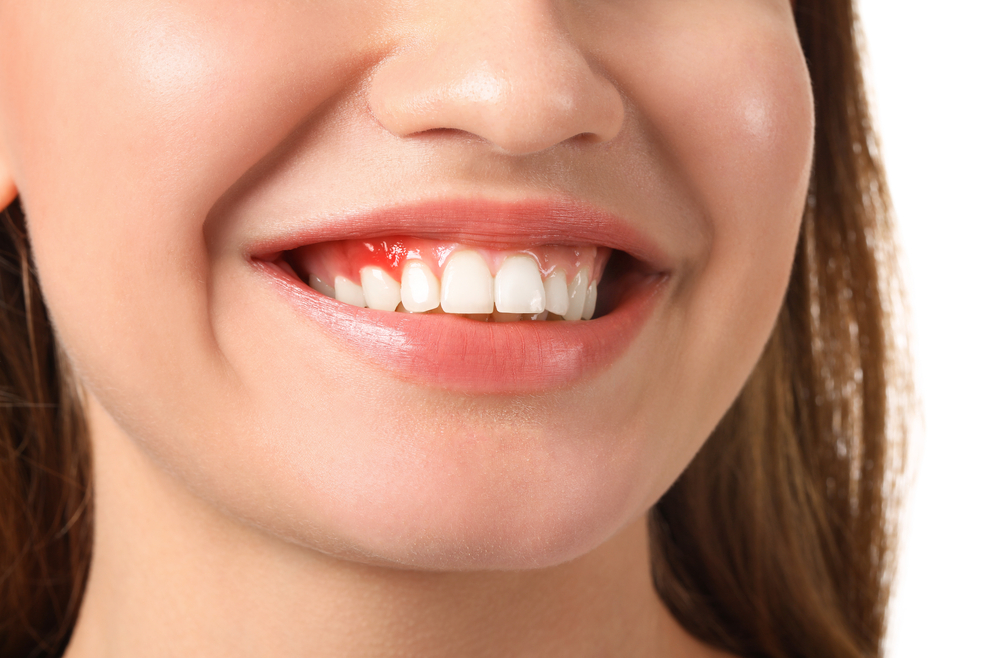
What Is Periodontal Treatment
Periodontal treatment refers to a series of procedures aimed at maintaining the health of the gums and surrounding tissues. Periodontal disease is commonly caused by plaque and tartar buildup on teeth, leading to gum inflammation, bleeding, swelling, and, if left untreated, tooth loss. Poor oral hygiene, smoking, genetic factors, and certain health conditions can all contribute to the development of periodontal disease. Periodontal treatment focuses on preventing and treating these conditions to maintain healthy teeth and gums.
Early detection and treatment of periodontal disease are essential to prevent further complications such as gum recession, tooth mobility, and eventual tooth loss. Periodontal treatment includes procedures like deep cleaning, scaling, root planing, and, in more severe cases, surgical interventions.
How Periodontal Treatment Works
Periodontal treatment typically begins with a thorough cleaning of the teeth, including the removal of plaque and tartar that have accumulated along the gum line and beneath the gums. This process helps to eliminate infection and reduce inflammation. For advanced periodontal disease, deeper cleaning procedures may be necessary, such as scaling and root planing, where tartar and plaque are removed from the root surfaces beneath the gums.
In some cases, surgical procedures may be required to treat deeper pockets in the gums. These procedures can help clean out the infected areas and allow the gums to heal more effectively. The dentist will evaluate the health of the gums and create a personalized treatment plan to address the patient’s specific needs.
Periodontal Treatment Recovery
Recovery from periodontal treatment generally takes a few days, but it can vary depending on the severity of the disease and the type of treatment performed. Patients may experience mild discomfort, swelling, and slight bleeding after the procedure. These effects usually subside within a few days, and patients can return to their normal activities in a week or so.
During recovery, it is important to follow the dentist's aftercare instructions carefully. This includes maintaining proper oral hygiene and avoiding any unnecessary pressure on the treated area. Regular follow-up appointments are essential to monitor healing progress and ensure the long-term success of the treatment.
Periodontal Treatment Result
After periodontal treatment, the gums will heal, inflammation will be reduced, and the overall health of the gums and teeth will improve. The treatment helps to stabilize the teeth and prevent further tooth loss, allowing the patient to maintain a healthy smile.
With consistent care and regular dental check-ups, periodontal treatment can provide long-lasting results and help maintain good oral health. The restoration of gum health plays a key role in preserving the natural appearance and functionality of the teeth.